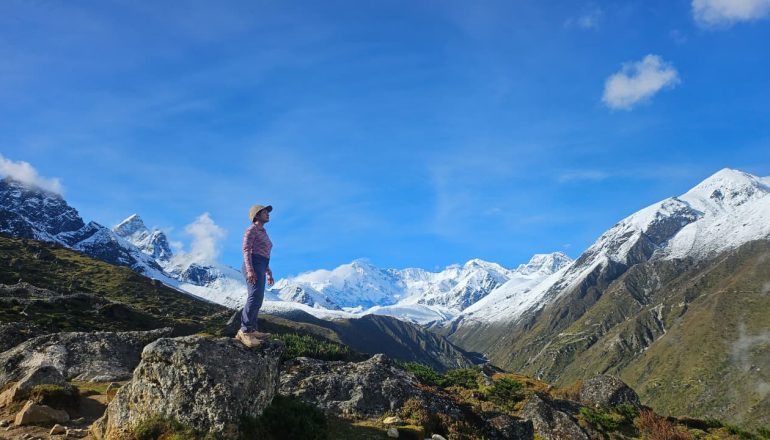
Nepal is home to some of the world’s most spectacular Himalayan trekking routes, with Annapurna Base Camp (ABC) and Everest Base Camp (EBC) standing among the most popular. Both treks offer incredible mountain scenery, traditional villages, and memorable Himalayan experiences, but they differ in altitude, duration, difficulty, cost, and overall trekking experience.
If you are comparing the two treks, this guide will help you decide which one best suits your time, fitness level, budget, and trekking interests.
Annapurna Base Camp vs Everest Base Camp at a Glance
| Feature | Annapurna Base Camp | Everest Base Camp |
|---|---|---|
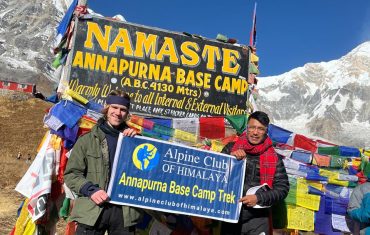
| Maximum altitude | 4,130 m (13,550 ft) | 5,364 m (17,598 ft) |
| Standard duration | 7–10 days | 12–16 days |
| Difficulty | Moderate | Challenging |
| Starting point | Pokhara / road-access trailhead | Lukla |
| Main challenge | Steep stone steps | High altitude |
| Mountain highlights | Annapurna I, Machhapuchhre, Annapurna South | Everest, Lhotse, Nuptse, Ama Dablam |
| Culture | Gurung and Magar communities | Sherpa villages and Buddhist monasteries |
| Cost | Generally lower | Generally higher |
| Best for | Shorter Himalayan adventure | Classic Everest experience |
Which Trek Is More Difficult?
The Everest Base Camp Trek is generally more challenging because it reaches a much higher altitude and involves several days trekking above 4,000 meters. Proper acclimatization is essential, particularly around Namche Bazaar and Dingboche.
The Annapurna Base Camp Trek reaches a lower maximum elevation, but the trail includes numerous steep stone staircases. This can make ABC physically demanding on the legs and knees, even though altitude-related challenges are generally lower.
Annapurna Base Camp vs Everest Base Camp: Cost
The Annapurna Base Camp Trek is generally more budget-friendly. The route is closer to Pokhara, road access is available at several points, and the trek can usually be completed in fewer days. The Everest Base Camp Trek generally costs more because of its longer itinerary, Lukla flight, accommodation, meals, permits, guide and porter services, and transportation in the remote Khumbu region.
The total cost can vary depending on the season, itinerary, accommodation standard, group size, and services included in your package.
Duration and Accessibility
Annapurna Base Camp is a great option for travelers with limited time. Depending on the itinerary and transportation arrangements, the trek can be completed in around 7 to 10 days. Road access also makes the Annapurna region relatively accessible. Everest Base Camp normally requires around 12 to 16 days for a standard itinerary. The classic route begins with a flight from Kathmandu to Lukla, followed by several days of trekking through the Khumbu region.
Scenery and Mountain Views
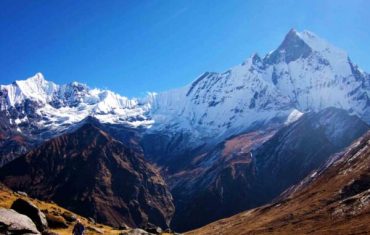
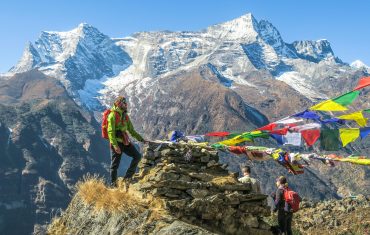
The Annapurna Base Camp Trek takes you through lush forests, terraced hills, waterfalls, traditional villages, and the spectacular Annapurna Sanctuary. Along the route, you can enjoy impressive views of Annapurna I, Machhapuchhre (Fishtail), Annapurna South, and Hiunchuli. The Everest Base Camp Trek offers a contrasting Himalayan landscape, with suspension bridges, glacial valleys, rocky trails, and towering peaks. The route provides views of Mount Everest, Lhotse, Nuptse, Ama Dablam, and Pumori. One of the major highlights of the Everest trek is Kala Patthar, where trekkers can enjoy an exceptional panoramic view of Mount Everest and the surrounding Himalayan peaks.
Culture and Local Experience
Both treks provide opportunities to experience the diverse mountain culture of Nepal.
On the Annapurna Base Camp Trek, you pass through traditional Gurung and Magar communities, where you can experience local villages, traditions, and mountain hospitality. The Everest Base Camp Trek takes you into the heart of the Sherpa homeland. Buddhist monasteries, prayer wheels, mani walls, chortens, and villages such as Namche Bazaar and Tengboche add a strong cultural dimension to the journey.
Best Time to Trek
For both ABC and EBC, spring and autumn are generally considered the best trekking seasons.
- Spring: March to May
- Autumn: September/October to November
These seasons generally provide favorable trekking conditions, clearer skies, and excellent mountain visibility. Winter brings colder temperatures and possible snow at higher elevations, while the monsoon season can bring rain, clouds, and slippery trails, particularly in the Annapurna region.
Which Trek Should You Choose?
Choose Annapurna Base Camp if you:
- Have limited time in Nepal
- Prefer a lower-altitude Himalayan trek
- Want a generally more affordable option
- Enjoy diverse landscapes and close-up mountain views
- Are looking for an excellent introduction to Himalayan trekking
Choose Everest Base Camp if you:
- Have around two weeks or more
- Want to explore the legendary Everest region
- Are prepared for higher-altitude trekking
- Want to experience Sherpa culture and Buddhist monasteries
- Have reaching Everest Base Camp on your bucket list
Final Verdict
There is no single winner between Annapurna Base Camp vs Everest Base Camp. The right trek depends on what you want from your Himalayan adventure. Annapurna Base Camp is an excellent choice for trekkers looking for a shorter, more accessible, and lower-altitude Himalayan experience. Everest Base Camp is better suited to travelers who want a longer and higher-altitude journey through the iconic Everest region.
At Alpine Club of Himalaya AU, we can help you choose the trek that matches your time, fitness level, budget, and travel goals, with experienced local guides and carefully planned itineraries.