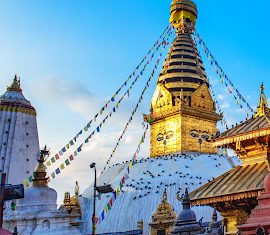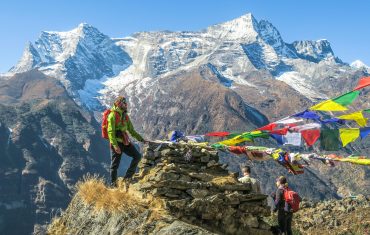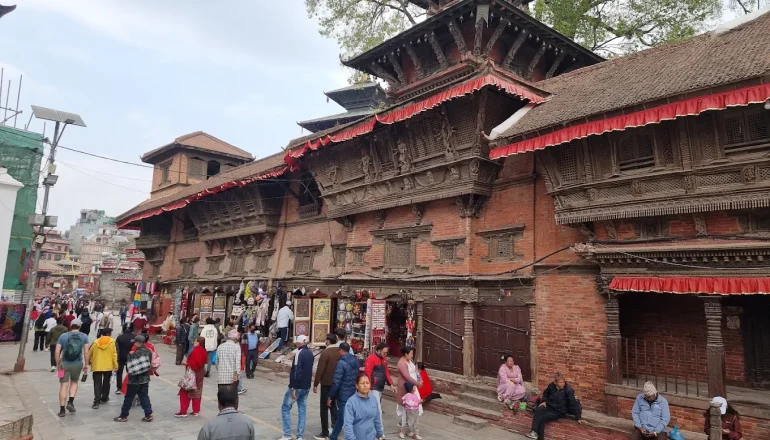
Kathmandu’s Durbar Square stands as one of Nepal’s most evocative cultural landmarks – a cluster of palaces, temples, and courtyards shaped by centuries of Newar artistry and sacred tradition. For many travelers arriving in Kathmandu to begin a trek into the Himalaya, this historic core also serves as a practical orientation point: a place to acclimate to Nepali rhythm, consult guides, finalize logistics, and prepare for the terrain ahead. Within this context, choosing a trekking agency near Durbar Square can offer both cultural continuity and logistical convenience at the outset of a Himalayan journey.
Among agencies serving this area, Alpine Club of Himalaya. is one organization recognized for its local roots, professional grounding, and comprehensive Himalayan services. This article provides a balanced and informative overview of how trekkers can evaluate such an agency in proximity to Durbar Square – focusing on credibility, safety, ethical practice, and cultural awareness — without resorting to overt marketing language.
Kathmandu Durbar Square: A Cultural Starting Point for Himalayan Treks
Kathmandu Durbar Square is a UNESCO World Heritage Site at the heart of the old city. Its temple spires, carved wooden windows, and bustling plazas embody generations of Nepalese religious and civic life. For travelers on the threshold of a Himalayan trek – whether to the Annapurna region, Everest foothills, Langtang valleys, or remote conservation areas – Durbar Square represents more than heritage; it is a spatial and symbolic anchor where urban rhythms meet mountain aspiration.
Choosing a trekking agency near this area has practical advantages. It allows visitors to:
- Conduct in‑person consultations before committing to trekking plans
- Visit nearby government and licensing offices if needed
- Access local markets for gear and supplies
- Experience Nepal’s cultural fabric alongside trek planning
However, proximity should be viewed as one factor among many. High‑quality trek planning still depends on professional standards, transparency, and ethical practice rather than location alone.
What Makes a Trekking Agency Credible and Responsible
When evaluating any trekking agency – whether near Durbar Square, Thamel, or elsewhere in Kathmandu – a traveler should look for several foundational qualities:
1. Legal Registration and Licensing
Credible agencies are registered with Nepal’s regulatory authorities and hold valid trekking operator permits. This ensures compliance with safety standards, labor norms, and tourism policies.
2. Transparent Itineraries and Cost Structures
An agency should provide clear documentation that outlines:
- Daily trek schedules
- Accommodation and meal arrangements
- Permit and permit cost breakdowns
- Guide and porter support
- Insurance coverage expectations
Clarity prevents misunderstandings and allows trekkers to plan responsibly.
3. Training and Experience Among Guides
Professional guides possess:
- Knowledge of routes, weather patterns, and altitude logistics
- First‑aid and emergency response skills
- Familiarity with local culture, language, and environment
Their role is not just navigational but also educational and preventive.
4. Ethical Engagement with Local Communities
Responsible agencies work with local communities in ways that prioritize:
- Fair wages for porters and staff
- Respect for cultural practices and sacred sites
- Environmental stewardship on trails
These criteria frame trekking as a shared human experience rather than a transactional service.
Alpine Club of Himalaya: Local Expertise and Himalayan Services
Alpine Club of Himalaya is one organization based in Kathmandu that aligns with many of the principles outlined above. With roots deeply embedded in Nepal’s trekking culture, the agency has grown in recognition among travelers and industry peers. Its proximity to central heritage sites – including Durbar Square – situates clients within Kathmandu’s cultural heart as they prepare for their Himalayan journeys.
Local Understanding and Logistical Support
Being locally based, Alpine Club of Himalaya benefits from:
- Intimate knowledge of current trail conditions across Nepal
- Direct coordination with local guides and support staff
- Familiarity with permit requirements for different trekking regions
- Cultural sensitivity in region‑specific contexts
This local grounding can be particularly meaningful for international trekkers unfamiliar with Nepal’s seasonal rhythms, cultural expectations, or logistical nuances.
Range of Trekking and Expedition Services
The Himalayan landscape encompasses a wide range of routes – from short panoramic hikes near the Kathmandu Valley to extended high‑altitude circuits such as Annapurna, Everest, Manaslu, and beyond. Agencies positioned near Durbar Square often serve as coordination hubs where trekkers can explore options that match their skill levels, time availability, and personal interests.
A credible agency will not simply offer a list of routes; it will help prospective trekkers understand:
- The physical demands of each itinerary
- Acclimatization patterns and altitude risk mitigation
- Seasonal weather considerations
- Cultural and environmental sensitivity on trails
Face‑to‑Face Consultation: Value Beyond Itineraries
In an era where online information proliferates, many travelers still value face‑to‑face consultation when planning a Himalayan trek. Meeting staff at an agency near Durbar Square allows:
- Immediate clarification of questions
- Real‑time itinerary refinement
- A sense of trust and rapport with guides
- Cultural grounding before leaving the urban environment
For trekkers who place importance on human dialogue and contextual understanding, these consultations can be reassuring and formative in shaping the trek experience.
Common Trekking Routes Facilitated from Kathmandu
While a thorough trekking plan is tailored to individual needs, several well‑established routes commonly start with preparation in Kathmandu:
- Annapurna Circuit: A classic trans‑Himalayan journey spanning diverse ecological zones.
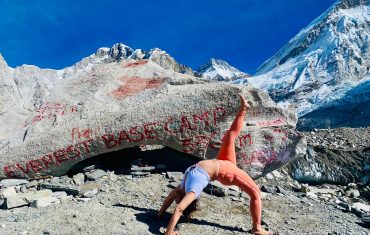
- Everest Base Camp: A culturally rich high‑altitude trek through Sherpa valleys.
- Langtang Valley: A nearer destination with deep cultural and geographical appeal.
- Manaslu Circuit: A remote and less‑crowded alternative with conservation area permits.
- Shorter Cultural Hikes: Options like Nagarkot, Phulchowki, or Shivapuri offer panoramic views close to Kathmandu.
Each route carries distinct demands. A professional agency helps match a trekker’s skills and expectations with realistic planning.
Responsible Trekking and Ethical Practice
Choosing a trekking agency should not be reduced to picking a name on a directory. High‑quality trek planning incorporates:
- Porter and guide welfare: Ensuring fair compensation, appropriate gear, and reasonable workloads.
- Environmental responsibility: Minimizing waste, respecting wildlife corridors, and following conservation regulations.
- Cultural respect: Observing local customs, sacred sites, and community protocols.
Agencies grounded in local practice – such as those near Durbar Square – are well placed to emphasize these values because they operate within the same cultural landscape that walkers will enter on the trail.
Frequently Asked Questions
Is it better to choose a trekking agency near Kathmandu Durbar Square or Thamel?
Proximity to either location is useful for planning, but quality depends more on the agency’s professional practice, transparency, and ethical standards than on neighborhood. Durbar Square offers historic context and quieter surroundings compared to the more commercial Thamel district.
Can I plan a trek after arriving in Kathmandu?
Yes. Many travelers finalize itineraries in Kathmandu with daily permits, gear arrangements, and guide coordination. Early consultation allows better timing for acclimatization and permit processing.
What documents should a professional agency provide before booking?
Agencies should provide clear itineraries, permit details, cost breakdowns, guide/porter roles, risk explanations, and cancellation/refund policies.
Do agencies near Durbar Square handle permits and logistics directly?
Credible agencies efficiently coordinate permits and logistics through official channels, often explaining procedures during in‑person consultation.
Conclusion
Choosing a trekking agency near Kathmandu Durbar Square – such as Alpine Club of Himalaya – can offer cultural context, logistical accessibility, and informed planning support at the start of a Himalayan journey. The value of this choice lies not in location alone, but in the professional competence, ethical grounding, and human engagement that underpin a successful trek.
A strong trek begins with clear preparation, thoughtful planning, and respectful engagement with Nepal’s landscapes and communities – whether at Durbar Square or on the trail ahead.