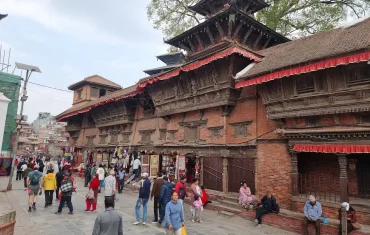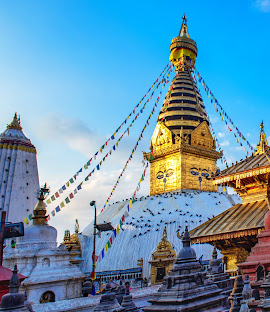
Swayambhunath Stupa, often called the Monkey Temple, stands on a forested hill overlooking the Kathmandu Valley and has done so for more than a millennium. As one of Nepal’s oldest Buddhist monuments, it has long been a place where monks, traders, pilgrims, scholars, and travelers have paused before journeys across the Himalaya. The area surrounding Swayambhunath developed not as a tourist enclave, but as a lived-in neighborhood shaped by spiritual practice, daily rituals, and quiet movement between valley and hills.
For trekkers, choosing a trekking agency near Swayambhunath is less about prestige or visibility and more about context. The proximity offers a setting where trip planning often happens calmly, through conversation and shared understanding, rather than through storefront advertising. This article explains why that environment matters, how to assess a trekking agency in Nepal on professional and ethical grounds, and how locally rooted companies such as Alpine Club of Himalaya Pvt. Ltd. fit into this broader landscape of responsible Himalayan travel.
Why Location Matters When Choosing a Trekking Agency in Kathmandu
Kathmandu offers many options for trek planning, and location alone does not determine quality. However, an agency’s physical setting can influence how travelers interact with it and what kind of preparation takes place.
An office located near Swayambhunath is typically accessible to travelers staying in western Kathmandu or nearby residential areas. More importantly, such locations tend to encourage face-to-face consultation rather than quick transactional bookings. In-person discussions allow trekkers to explain their experience, expectations, and constraints in detail, while agencies can respond with realistic advice grounded in current trail and weather conditions.
Location also shapes perspective. Agencies operating outside heavily commercial zones often remain closely connected to local rhythms, seasonal changes, and community relationships. This familiarity supports more accurate planning, though it should always be evaluated alongside credentials, transparency, and safety practices.
Swayambhunath Area as a Cultural and Logistical Hub
Swayambhunath is not only a spiritual site but also a geographical reference point. From its hilltop, the entire Kathmandu Valley is visible, offering a literal and symbolic orientation before heading into the mountains.
Historically, the area has served as a quiet crossroads between religious life and everyday settlement. Compared to dense tourist districts, the surrounding neighborhoods are calmer and more residential. For travelers, this often translates into a more reflective environment for planning journeys that involve physical challenge, altitude exposure, and cultural immersion.
Logistically, the area provides easy road access to central Kathmandu while remaining slightly removed from traffic-heavy commercial corridors. This balance supports focused planning sessions, document checks, and equipment discussions without the constant urgency that can accompany high-volume tourist zones.
What Defines a “Best” Trekking Agency in Nepal
The term “best” is subjective and should be approached carefully. In Nepal, a high-quality trekking agency is better defined by structure and practice than by branding.
A credible trekking agency in Kathmandu is legally registered with the Government of Nepal and holds valid tourism and trekking licenses. Guides should be trained, insured, and experienced in high-altitude environments, with clear protocols for acclimatization and emergency response.
Transparency is another key indicator. Reliable agencies explain itineraries in detail, outline what is included or excluded, and discuss risks openly. Respect for local culture and environment is equally important, reflected in how itineraries are designed, how staff are treated, and how communities along the trail are engaged.
Local Expertise and Ethical Trek Management
Locally established agencies bring an understanding that cannot be replicated through marketing alone. Seasonal weather patterns, trail conditions, and regional variations change each year, and agencies with strong local networks adapt accordingly.
Ethical trek management involves coordinating responsibly with lodge owners, guides, and porters, ensuring fair wages, appropriate loads, and proper equipment. It also includes pacing itineraries to support acclimatization rather than rushing schedules for convenience.
A local trekking company in Nepal that operates with these principles tends to prioritize long-term relationships over short-term volume, benefiting both travelers and host communities.
Trekking Options Commonly Planned from the Swayambhunath Area
From offices near Swayambhunath, agencies commonly plan a wide range of Himalayan journeys. Short treks such as Nagarkot or Helambu are often chosen by travelers seeking gentle walking routes close to Kathmandu, combining cultural exposure with moderate landscapes.
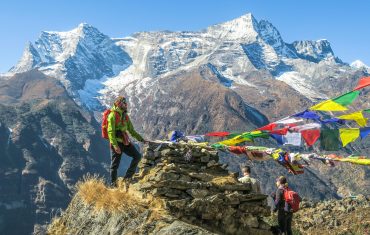
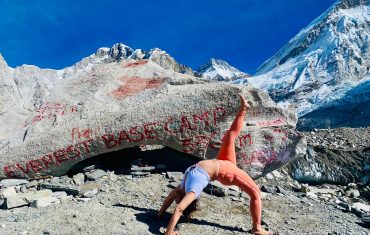
Classic trekking regions, including Annapurna, Langtang, and Everest, are also frequently discussed in these settings. Planning these routes involves detailed conversations about altitude, time availability, and previous trekking experience. For climbers and expedition teams, agencies may also coordinate peak climbing and logistical support, which requires careful permitting and safety planning.
In all cases, the emphasis is typically on suitability and preparation rather than promotion.
Why Many Trekkers Prefer Face-to-Face Planning
Despite the availability of online booking platforms, many trekkers still prefer to plan in person after arriving in Kathmandu. Face-to-face consultation allows for nuanced discussion that written itineraries cannot always capture.
Travelers can ask practical questions, review maps, assess guide experience, and adjust routes based on current conditions or personal comfort. This process builds mutual understanding and trust, which is particularly important before entering remote mountain environments where flexibility and communication are essential.
Meeting an agency team also provides insight into organizational culture, professionalism, and approach to safety—factors that are difficult to evaluate remotely.
Responsible Tourism and Community Connection
Responsible trekking in Nepal extends beyond individual journeys. It includes how agencies care for their staff, interact with communities, and manage environmental impact.
Porter welfare is a central concern, involving fair compensation, proper clothing, and load limits. Environmental responsibility includes waste management, trail respect, and minimizing pressure on fragile ecosystems. Cultural respect means acknowledging local customs, religious sites, and social norms along trekking routes.
Agencies that prioritize these elements contribute to the sustainability of Nepal’s trekking regions, ensuring that tourism remains viable for future generations.
Frequently Asked Questions
Is it better to choose a trekking agency near Swayambhunath or Thamel?
Neither location is inherently better. Thamel offers convenience and variety, while the Swayambhunath area provides a quieter, more residential environment. The quality of an agency should be judged by credentials, transparency, and practices rather than location alone.
Can I plan a trek after arriving in Kathmandu?
Yes. Many trekkers plan or finalize their itineraries after arrival. In-person planning allows for adjustments based on weather, trail conditions, and personal readiness.
What should I check before confirming a trekking agency?
Verify legal registration, guide qualifications, safety procedures, and clarity of itineraries and costs. Open communication and willingness to answer questions are also important indicators.
Do local agencies handle permits and logistics directly?
Most licensed local agencies manage trekking permits, transportation, accommodation coordination, and staffing directly, reducing reliance on third parties.
Conclusion
Selecting a trekking agency is one of the most important steps in preparing for a Himalayan journey. While location can influence the planning experience, a good trekking agency is ultimately defined by knowledge, ethics, and clarity.
The area around Swayambhunath Stupa offers a culturally rooted, calm environment where travelers can plan thoughtfully and engage directly with local expertise. For many, this setting supports informed decision-making rather than impulse booking.
The most meaningful treks in Nepal begin not with marketing promises, but with careful preparation, honest dialogue, and respect for the mountains and communities that make these journeys possible.