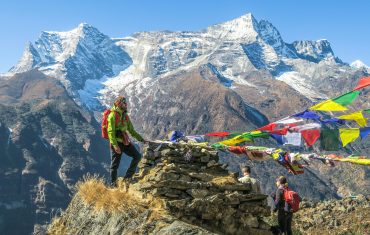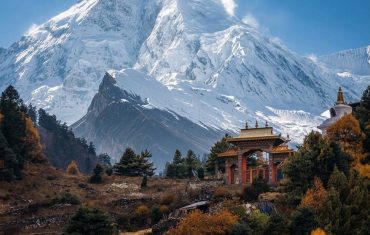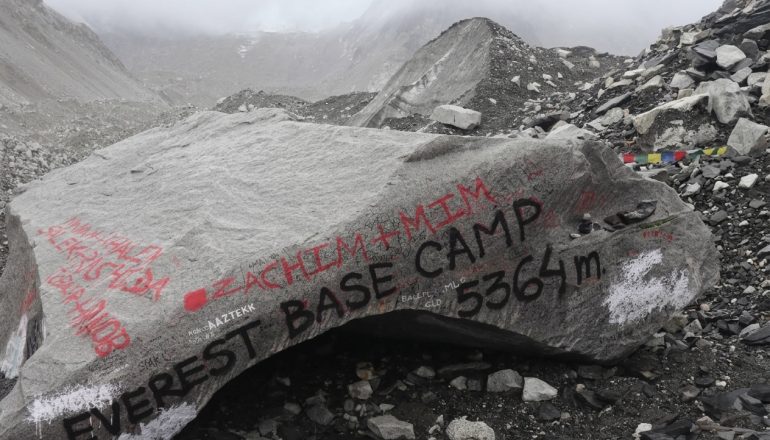
At 5,364 meters, Everest Base Camp is the staging ground for expeditions on the world’s highest mountain, and one of the most rewarding treks a non-climber can do. Over roughly two weeks, the trail carries you from the subtropical lowlands near Lukla into the heart of Sherpa country, past monasteries, glacial rivers, and dramatic peaks: Ama Dablam, Lhotse, Nuptse, and Everest itself.
This guide covers the route, a day-by-day itinerary, when to go, what to pack, permits, and the details that make the difference between a trip you survive and one you actually enjoy.
Why trek to Everest Base Camp
Standing at the foot of the world’s highest mountain gives you a kind of scale few other places can. From Kala Patthar (5,545m), a short pre-dawn climb above Gorak Shep, you get a better view of Everest’s summit than from Base Camp itself. Most trekkers rate this sunrise as the highlight of the trip.
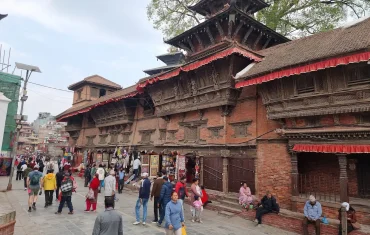
Namche Bazaar, Tengboche, and Khumjung are working villages, not tourist sets. You’ll pass prayer wheels and mani stones, hear monks chanting at Tengboche Monastery, and stay in family-run teahouses where the same families have hosted trekkers for generations.
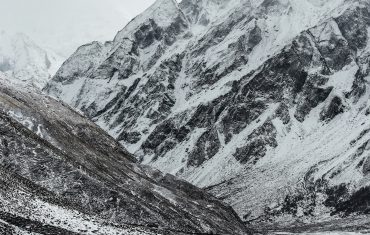
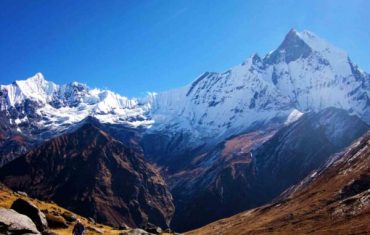
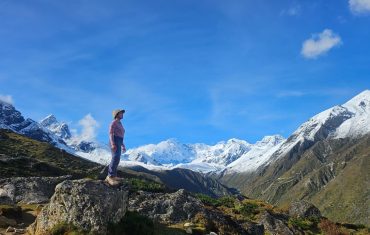
The landscape keeps changing along the way. The trail moves from rhododendron forest and terraced fields near Phakding, through pine forest and suspension bridges strung with prayer flags, into the stark, high-altitude terrain around Lobuche and Gorak Shep: glacial moraine, ice, and rock above the tree line.
Despite the altitude, this isn’t an expedition in the mountaineering sense. Teahouses line the route, the path is clear, and local guides and porters know it intimately. That’s part of why it remains one of the most popular treks in the world.
Quick Everest Base Camp Trek Cost Overview (2026–2027)
| Trek Style | Approx. Cost Per Person | Best For | Typical Includes |
| Budget Independent Trek | USD 1,000–1,400 | Budget-conscious trekkers | Permits, flights, teahouses, and meals |
| Standard Guided Trek | USD 1,400–2,500 | Most trekkers | Guide, porter, permits, flights, accommodation, and meals |
| Premium Guided Trek | USD 2,500–4,000 | Small groups & added comfort | Better lodges, experienced guides, and personalized service |
| Luxury Trek | USD 3,000–5,500+ | Comfort-focused travelers | Upgraded accommodation, premium services, and added support |
| Helicopter Return Trek | USD 3,500–6,000+ | Trekkers with limited time | Guided trek, accommodation, meals, and helicopter return |
Note: The Everest Base Camp Trek Cost is an estimated range and can vary depending on the trekking season, Lukla flight prices, accommodation, group size, itinerary, and services included. A helicopter return also varies according to the pickup point and weather conditions.
Permit Fees for the Everest Base Camp Trek
| Permit | Cost |
| Sagarmatha National Park Permit | About $30 |
| Khumbu Pasang Lhamu Rural Municipality Permit | About $22 |
| Total | About $52 |
Note: The above total applies when the Khumbu local permit is charged at NPR 3,000. Permit fees and trekking regulations can be updated by the relevant authorities, so the latest applicable rate should be confirmed before departure.
Lukla Flights Cost (2026–2027)
Flights to Lukla are one of the major expenses of the Everest Base Camp Trek Cost. During busy trekking seasons, many flights operate from Manthali Airport (Ramechhap) instead of Kathmandu due to air traffic congestion at Tribhuvan International Airport. Manthali is around a 4–5 hour drive from Kathmandu, so trekkers should also consider the road transfer when planning their budget.
| Flight Route | One-Way Cost |
| Kathmandu to Lukla | USD 255–400 |
| Lukla to Kathmandu | USD 255–400 |
| Estimated Round Trip | USD 510–800 |
Important: Lukla flights are highly dependent on weather conditions. Delays and cancellations can occur, particularly during poor weather. It is therefore wise to keep a buffer day in Kathmandu before and after your trek when planning your itinerary.
Helicopter Flight Alternative
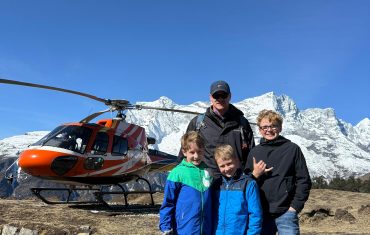
For trekkers who prefer more flexibility or want to avoid potential delays on regular Lukla flights, helicopter services are another option. Shared helicopter flights can be booked on a per-person basis, while private charters offer greater flexibility for groups.
| Helicopter Option | Approx. Cost |
| Shared Helicopter – One Way | USD 300–500 per person |
| Private Helicopter Charter | USD 1,500–2,500+ per flight |
Helicopter flights can offer a more flexible alternative to regular flights and provide spectacular aerial views of the Khumbu region and Himalayan mountains. However, helicopter operations are still dependent on weather and visibility conditions.
Main Attractions of the Everest Base Camp Trek
- Everest Base Camp (5,364m) – The iconic destination at the foot of Mount Everest.
- Kala Patthar (5,545m) – Famous for sunrise views of Everest, Nuptse, and surrounding peaks.
- Namche Bazaar – A lively Sherpa town and important acclimatization stop.
- Tengboche Monastery – A historic monastery surrounded by spectacular Himalayan scenery.
- Ama Dablam – One of the most distinctive and photographed peaks in the Everest region.
- Khumbu Glacier and Icefall – Dramatic glacial landscapes near Everest Base Camp.
- Sherpa Villages and Culture – Experience traditional villages, prayer wheels, mani stones, and Buddhist traditions.
- Suspension Bridges – Cross scenic bridges decorated with colorful prayer flags along the trail.
Best time to go
Spring (March-May) and autumn (late September-November) are the two trekking seasons. Autumn tends to bring the clearest skies right after the monsoon; spring brings milder temperatures and rhododendron blooms along the lower trail, though afternoon cloud is more common. Winter is cold at altitude, and the monsoon (June-August) brings rain, leeches, and a real risk of landslides and flight delays into Lukla. Both are best avoided.
What to pack
You don’t need mountaineering gear, but layering matters more here than almost anywhere:
- Sturdy, broken-in trekking boots
- Thermal base layers plus a good down jacket for altitude
- Trekking poles (your knees will thank you on the descent)
- A warm sleeping bag rated for sub-zero temperatures, even if your teahouse provides blankets
- Headlamp, sun protection (UV is intense at altitude), and a basic first-aid kit
- Water purification tablets or a filter, since bottled water gets expensive and wasteful the higher you go
- A small stash of snacks, since appetite often drops at altitude and easy calories help
Permits you’ll need
- Sagarmatha National Park entry permit, arranged in Kathmandu or at the park gate in Monjo
- Khumbu Pasang Lhamu Rural Municipality entry permit, arranged in Lukla
A reputable trekking agency will handle both as part of your package.
Staying safe: altitude is the real challenge
The EBC trek requires no technical climbing skill, but it does cross 5,000 meters, and altitude sickness is the main risk that ends trips early. A few rules make a real difference:
- Ascend gradually and use the built-in acclimatization days properly; don’t treat them as free days to skip ahead.
- Hydrate more than feels necessary. Fluid loss is much higher at altitude than most people expect.
- Know the warning signs. A persistent headache, nausea, or breathlessness at rest are signals to stop ascending, not push through.
- Train beforehand. No technical skills are required, but cardio fitness and hours on your feet make every day easier.
The experience itself
What surprises most first-time trekkers isn’t the difficulty, it’s the rhythm of it. Long, quiet mornings on the trail. Yak trains passing on narrow paths (give them room; they have the right of way). Bowls of garlic soup, said locally to help with acclimatization. The particular stillness of villages like Dingboche and Pheriche, which most trekkers pass through too fast on the way up but wish they’d lingered in on the way down.
Reaching Base Camp itself, at the foot of the Khumbu Icefall, tends to be quieter and more reflective than triumphant. It’s Kala Patthar the next morning, with Everest’s summit lit gold at sunrise, that usually produces the moment people remember mos